Anyone who has driven through eastern South Dakota after an ice storm knows what happens to things that hang from poles. Lines sag, poles snap, and crews spend the next week in bucket trucks putting it all back together. That picture explains, better than any brochure, why almostevery new rural broadband network in our region is being built underground.
At Hidewood Fiber, underground construction is all we do. Here is an honest look at how the two approaches compare and why internet providers across South Dakota, Minnesota and Montana keep choosing to bury their networks.
What aerial fiber gets right
Aerial fiber, strung along utility poles, is real and it has advantages. It is usually cheaper to install per mile, it goes up quickly where pole lines already exist, and when a line is damaged, the break is easy to find because you can see it. For short runs in towns with healthy pole infrastructure, aerial can be a reasonable choice. If that were the whole story, nobody would dig.
What the prairie does to aerial fiber
The problem is everything that happens after installation day. Out here, aerial lines live in the path of ice storms that coat cable until the weight brings it down, straight line winds that take poles with it, lightning, vehicle strikes on rural highways, and even squirrels, which cause more fiber outages nationally than most people would guess.
Every one of those events means an outage for the homes and businesses on that line, and an emergency repair bill for the provider. Over a 30 to 40 year network life, those costs add up to more than the savings from the cheaper install.
Why underground wins in rural broadband
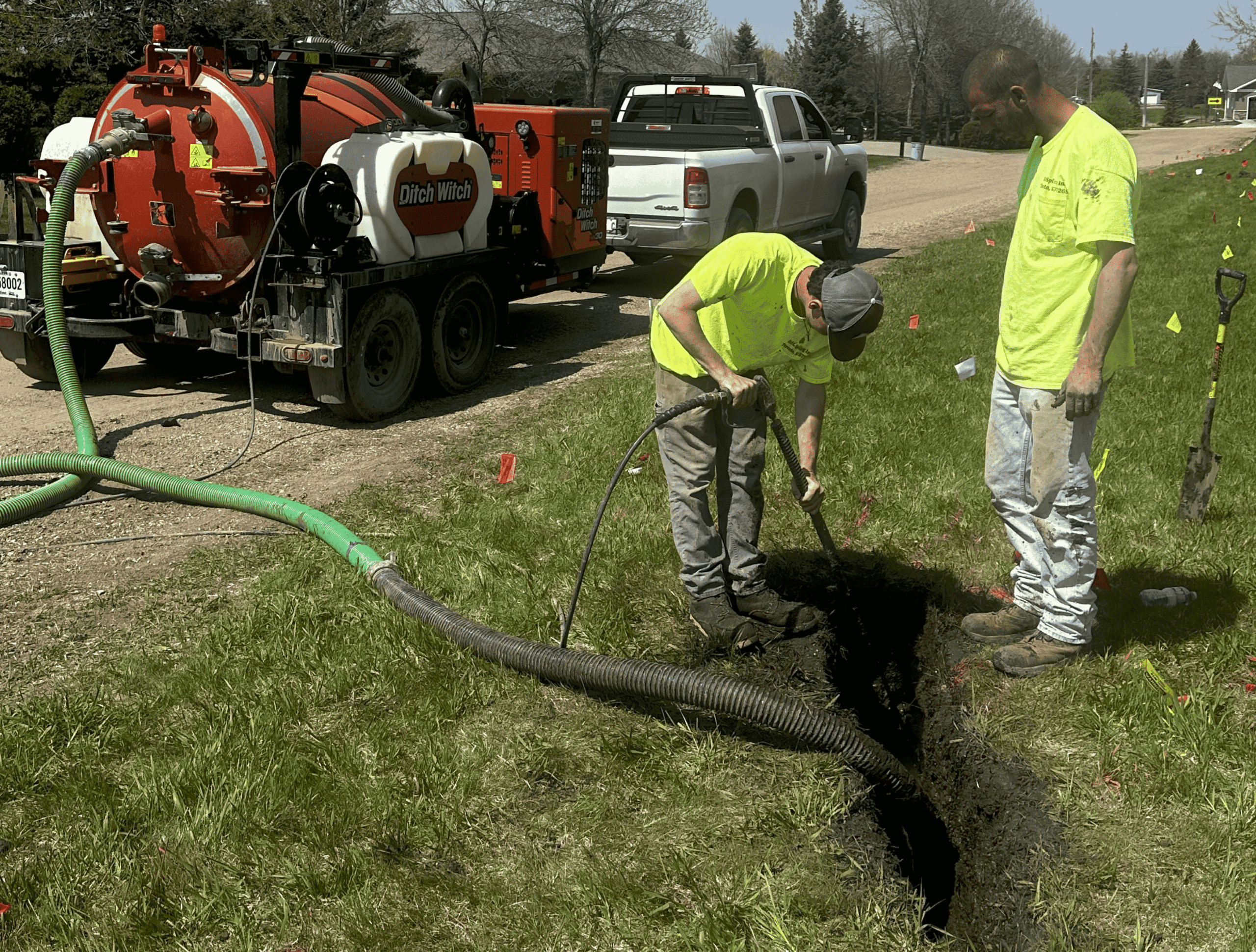
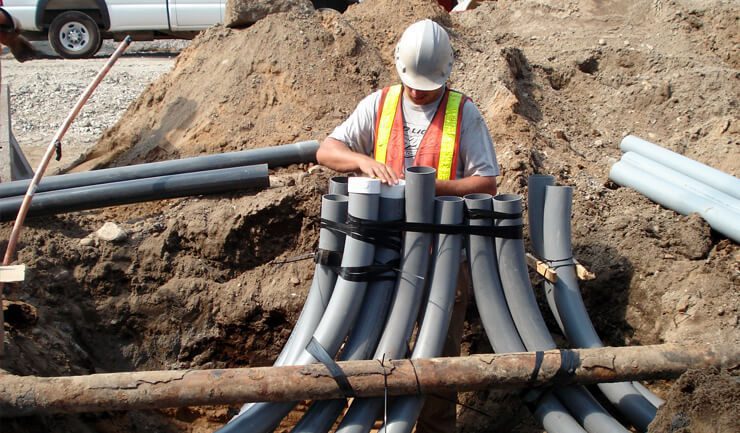
Buried fiber sits below the frost line in conduit, out of reach of weather entirely. Ice storms pass over it. Wind does not touch it. The main risks left are dig-ins, which is why locating and marking utilities before any excavation matters so much, and why careful potholing is part of our standard practice.
Underground fiber also has no poles to lease, no vegetation to trim away from lines, and no visual footprint across farmland. Once the ground is restored and reseeded, most landowners cannot tell we were ever there, which is exactly how we like to leave a job.
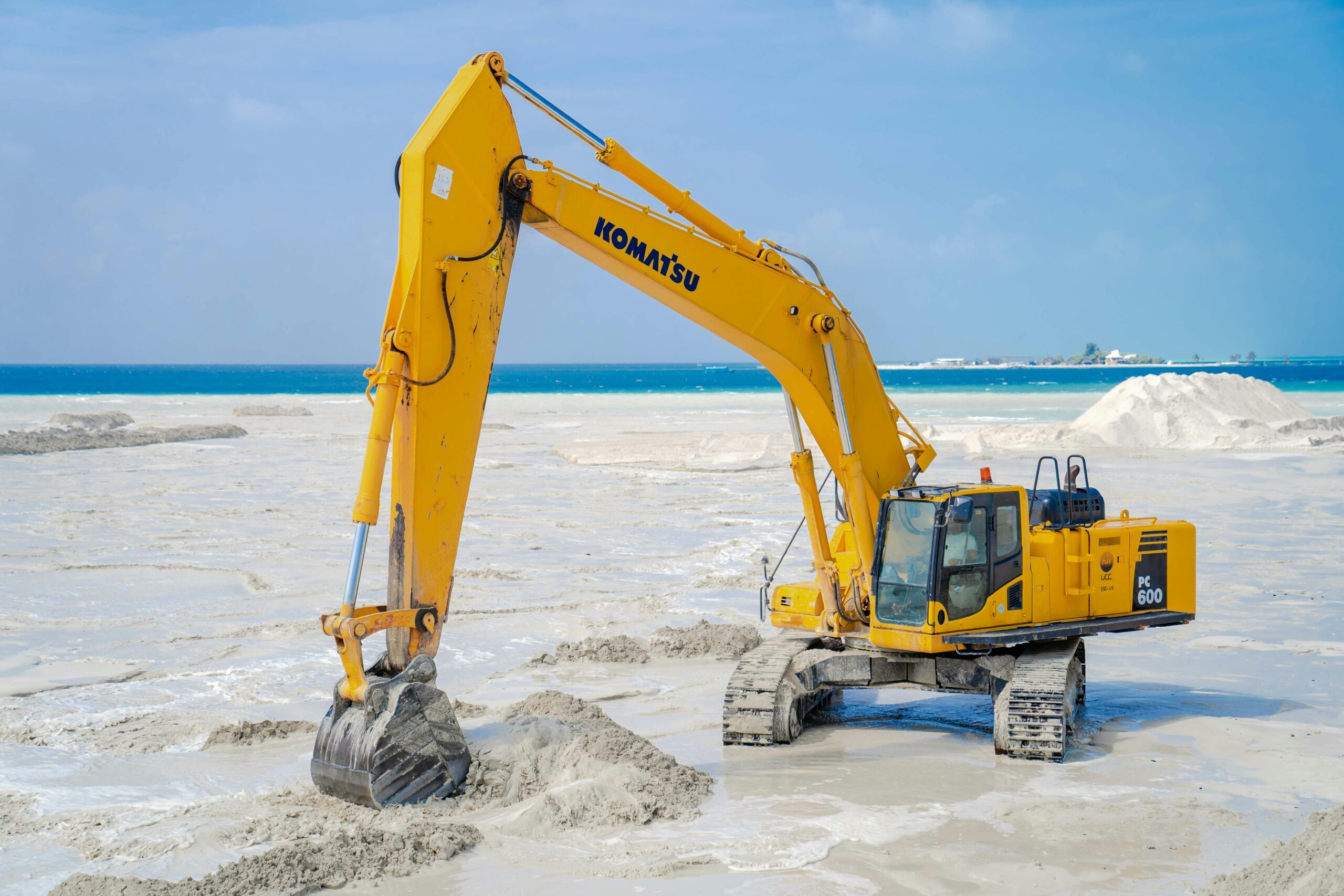
Modern equipment has also closed much of the old cost gap. Vibratory plowing lets a crew place cable directly into open ground at a walking pace, and horizontal directional drilling puts conduit under roads, driveways and creeks without cutting the surface at all. On the rural routes we build, from Canby, Minnesota to Yankton, South Dakota, plowing open stretches and drilling the crossings is both faster and cleaner than setting new poles would be.
The long view
Internet providers building with state and federal broadband funding are building networks meant to serve their communities for decades. When the design horizon is that long, durability beats installation speed, and that is the case for underground fiber in one sentence.
Hidewood Fiber, LLC builds underground fiber networks for internet providers across South Dakota, Minnesota and Montana from our base in Toronto, SD. If you are planning a fiber build, call us at 605-794-2540 or reach out through our contact page.